

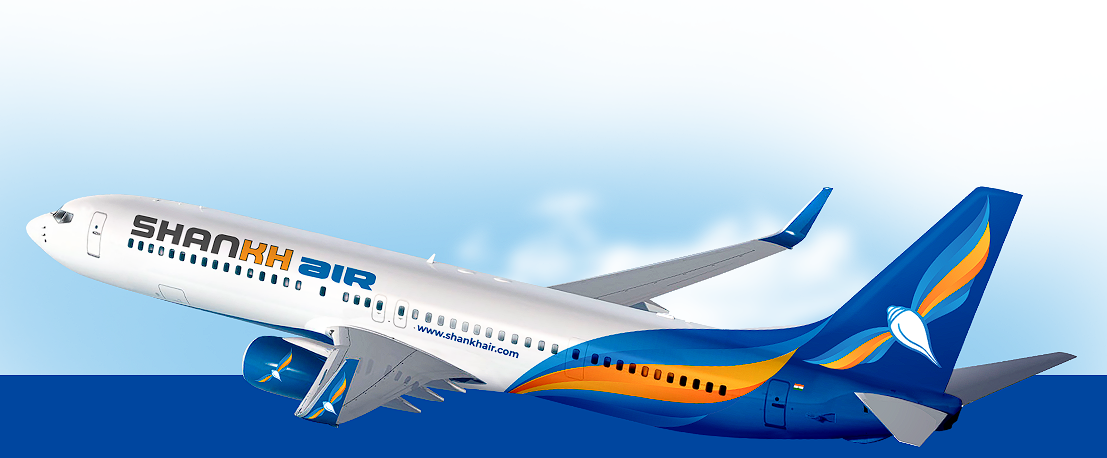
The landscape of Indian aviation is set for a historic expansion this winter as Shankh Air prepares to launch its commercial operations in the first half of January 2026. Headquartered in Uttar Pradesh, the airline has successfully navigated the rigorous regulatory path, having already secured its No-Objection Certificate (NOC) from the Ministry of Civil Aviation and currently finalizing the remaining operational audits with the Directorate General of Civil Aviation (DGCA).
A Vision of Regional Connectivity
Shankh Air is positioning itself as the first scheduled carrier rooted in Uttar Pradesh, with a dual-hub strategy centered at Chaudhary Charan Singh International Airport (LKO) in Lucknow and the upcoming Noida International Airport (NIA). Chairman Shravan Kumar Vishwakarma, an entrepreneur whose professional journey began in the transport and logistics sector, has stated that the airline’s core mission is to democratize air travel. The carrier aims to transform the perception of flying from a luxury to an accessible utility, targeting middle-class passengers and first-time flyers across the region.
Fleet and Initial Route Network
The airline will debut with an initial fleet of three leased Airbus A320 aircraft, which are currently undergoing final technical reviews and livery preparation. Two additional aircraft are expected to join the fleet by mid-February 2026, bringing the total to five in the first quarter. In its inaugural phase, Shankh Air will focus on high-demand corridors, connecting Lucknow to major national hubs including:
- Delhi (DEL)
- Mumbai (BOM)
- Bengaluru (BLR)
In addition to these metro links, the airline plans to strengthen intra-state travel within Uttar Pradesh, with proposed routes serving Varanasi, Ayodhya, and Gorakhpur. This regional focus is designed to provide faster travel alternatives to traditional rail and road transport for the state’s growing population.
Business Model and Industry Impact
Unlike many new entrants that opt for a low-cost model, Shankh Air plans to operate as a full-service carrier, offering both Economy and Business Class cabins. A key differentiator for the airline is its commitment to “integrity in pricing.” Management has pledged to maintain stable ticket fares even during peak festival seasons, a move intended to support families traveling for Diwali and Eid who are often deterred by surge pricing.
While the airline’s vision is ambitious, early digital impressions have been somewhat inconsistent. Despite the company’s pledge to prioritize a “cutting-edge” passenger experience, the current state of their official website leaves much to be desired for a modern carrier. Users have noted that several critical interactive elements, including certain navigation buttons and draft booking modules, are currently unresponsive or lead to “page not found” errors. While these are likely teething issues as the IT team prepares for the full January launch, the lack of a fully functional interface at this late stage serves as a small but noticeable point of friction for tech-savvy travelers looking to explore the new airline’s offerings.
The launch comes at a critical time for the Indian market, as the government pushes to broaden competition and reduce the market concentration currently held by major airline groups. Backed by its parent firm with diversified interests in steel and mining, Shankh Air enters the sector with a long-term goal of scaling to a fleet of 20–25 aircraft within the next three years and potentially launching international operations by 2028.
About the Author



Available for leadership role in establishing Shankh Air engineering, as Head of Engineering position.
Recently completed my tenure (2nd July 2025), as Vice President- Head of Engineering with Air Indis express after completing succesfully the leadership role for about 11 years.
Regards,
Anil Kumar Jain
9810015453