The next generation of sustainable commercial aviation just cleared its biggest hurdle yet. GE Aerospace, in close collaboration with NASA, has officially completed ground testing on a megawatt-class hybrid-electric powertrain, bringing hybrid regional and narrowbody jets one significant step closer to reality.
Conducted at GE’s test facility in Peebles, Ohio, under NASA’s Electrified Powertrain Flight Demonstration program, the system was pushed through full high-power simulated flight profiles, from taxi and takeoff through to cruise and descent, successfully managing electricity levels exceeding one megawatt. A separate altitude simulation milestone was achieved earlier in 2022 at NASA’s Electric Aircraft Testbed facility in Sandusky, Ohio, the only facility capable of replicating high-voltage conditions at simulated altitudes up to 45,000 feet.
Inside the Tech: How It Works
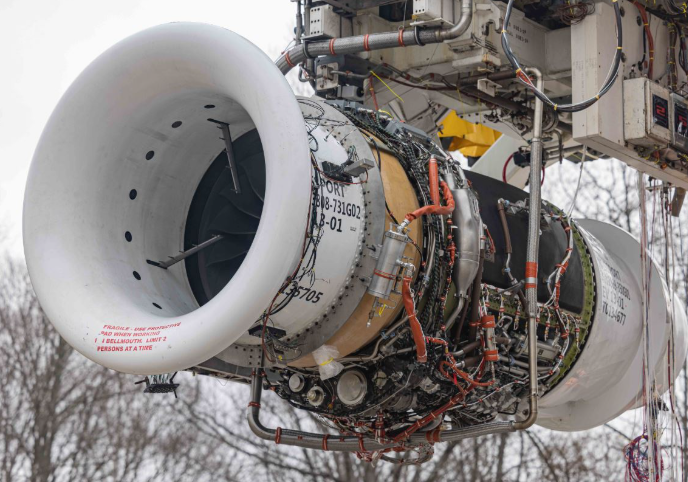
The validated system integrates a modified CT7 turboprop engine with high-power electric motor/generators, advanced power converters and inverters, high-voltage battery systems developed by BAE Systems, Dowty propellers, and Avio Aero gearboxes. During testing, the powertrain successfully powered the propeller while simultaneously generating power back to the onboard batteries, a key step toward improved overall fuel efficiency. Boeing subsidiary Aurora Flight Sciences is also a programme partner, responsible for the aircraft nacelle.
Why This Matters for Tomorrow’s Fleets
Hybrid-electric propulsion offers airlines an electric boost during high-energy phases like takeoff, reducing fuel burn and engine wear on routes where full electrification remains impractical. With ground testing complete, GE and NASA are now preparing for the next phase: first flight tests aboard a modified Saab 340B flying testbed, though GE has not yet confirmed an updated timeline for when those flights will begin.
About the Author