The Federal Aviation Administration (FAA) has officially escalated its safety oversight of the Boeing 757 fleet, issuing an emergency airworthiness directive that mandates immediate structural testing of 156 aircraft currently in service. Effective today, February 26, 2026, the order gives major carriers like United Airlines and FedEx just five days to complete high-frequency eddy current (HFEC) scans for fatigue cracks in the wings. This rapid-response timeline bypasses the typical 30-day window usually granted for such repairs, underscoring the agency’s assessment that the fleet faces an immediate “unsafe condition” that could compromise the aircraft’s ability to sustain limit loads during flight.
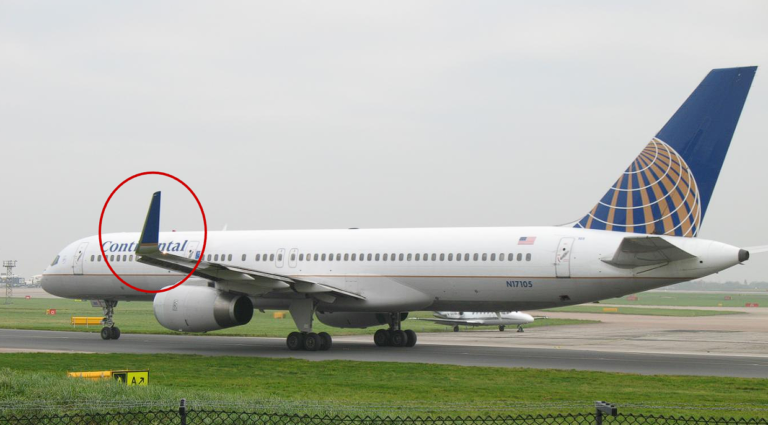
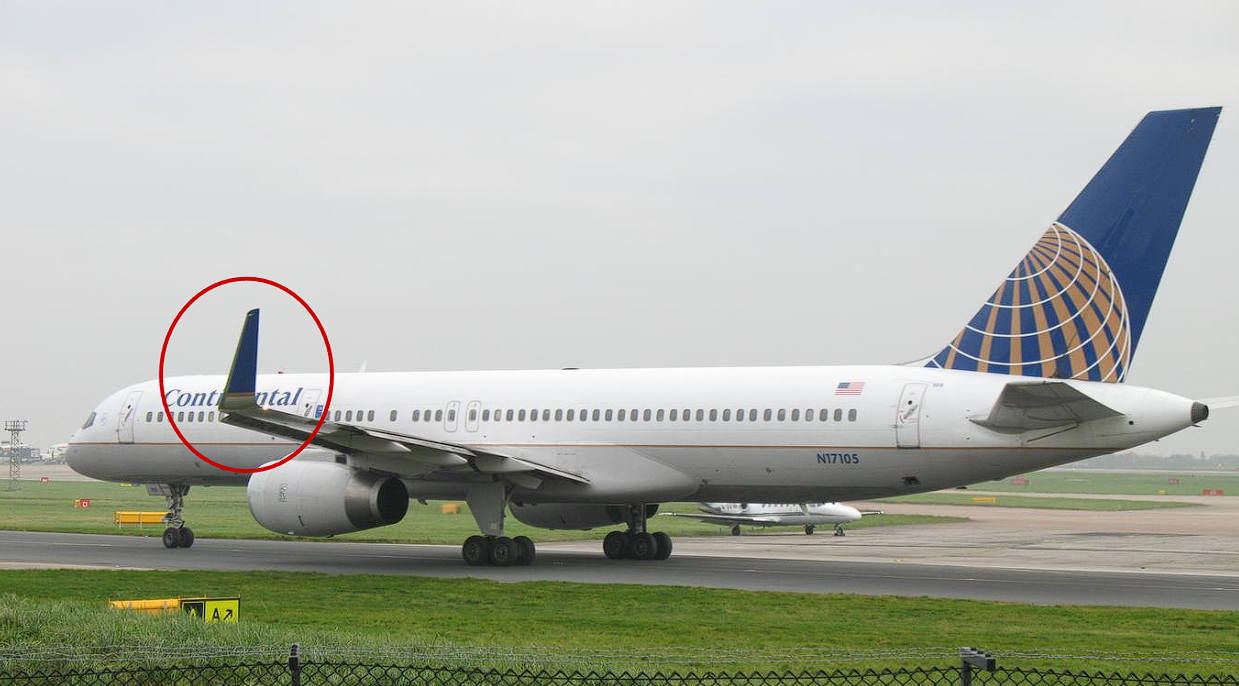
The regulatory alarm was triggered by a series of reports identifying stress fractures in the “inspar” outer lower wing skin panels. These fractures are appearing specifically on airframes retrofitted with Scimitar Blended Winglets, a popular aerodynamic modification manufactured by Aviation Partners Boeing (APB). While these winglets significantly improve fuel efficiency by reducing drag, they also alter the load distribution across the wingtip. Recent heavy maintenance checks revealed that the stress from these aerodynamic forces has led to cracking around access panel 543BB, an area previously not covered by mandatory inspection protocols.
For the aviation industry, the five-day deadline presents a massive logistical hurdle. High-frequency eddy current testing is a specialized process that requires technicians to scan the metal for microscopic fractures that are invisible to the naked eye. With such a short window for compliance, airlines are already shuffling flight schedules to pull aircraft into hangars. FedEx, which operates one of the world’s largest 757 freighter fleets, may face particular pressure as it balances these urgent safety checks against its global cargo commitments.
The FAA’s decision to mandate an immediate “final rule” without the usual public comment period highlights the severity of the structural analysis. Preliminary data suggests that undetected cracks in these skin panels could lead to partial wing loss or a complete loss of control. As technicians across the country begin their five-day sprint, the focus remains on whether these inspections will reveal a wider systemic issue with aging 757 airframes or if the problem is confined to a specific batch of winglet installations.
About the Author