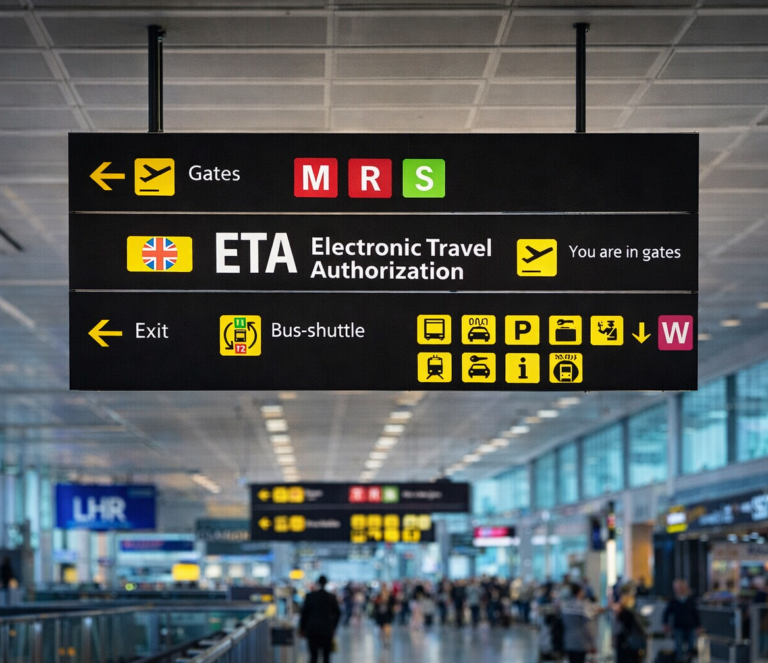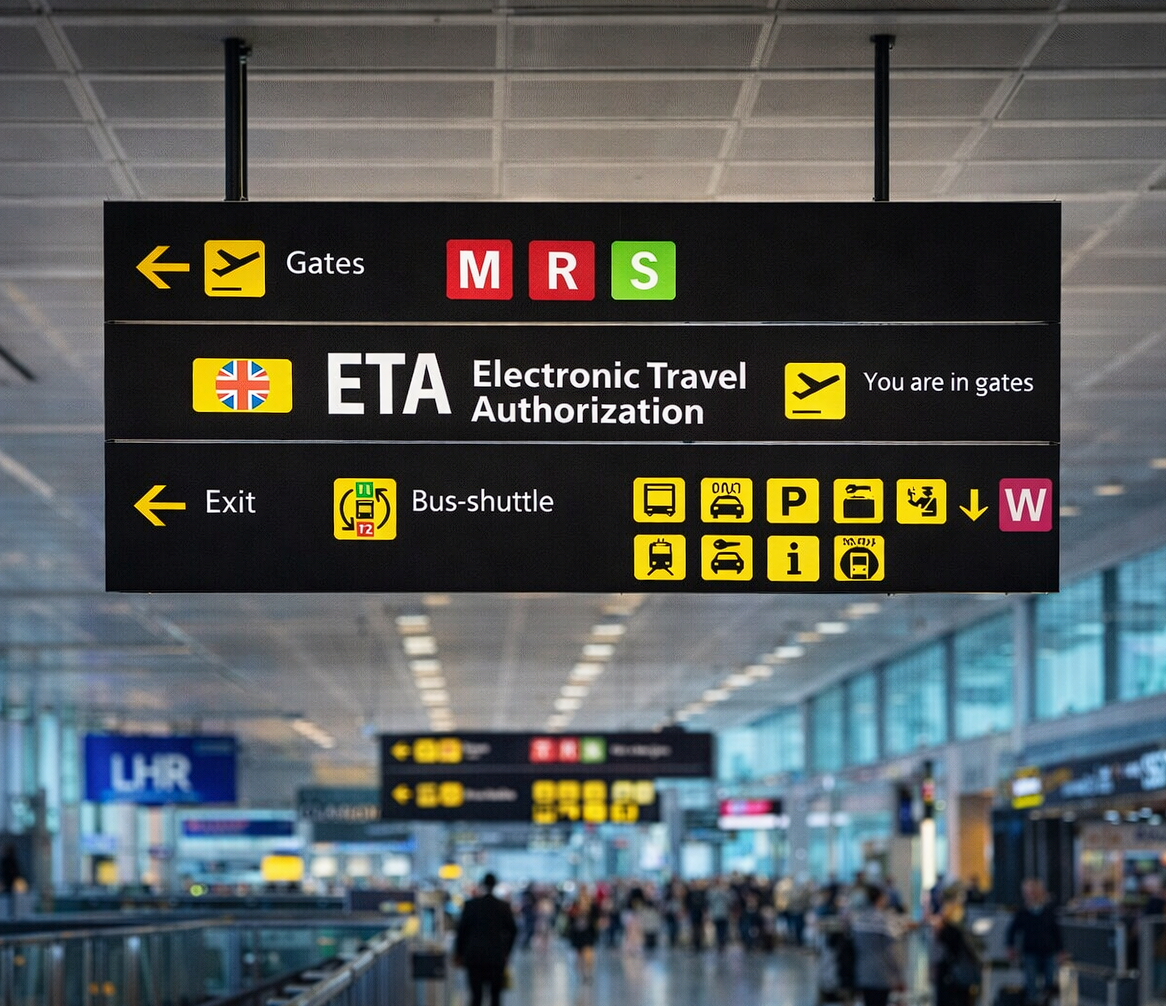
The United Kingdom has officially transitioned to a zero-tolerance digital border regime. This marks the end of the soft launch period for its Electronic Travel Authorisation (ETA) system. As of this week, the Home Office has mandated that all airlines and international rail operators strictly enforce digital pre-clearance. This policy effectively bars any passenger from boarding UK-bound transport without a verified digital link to their passport. While Whitehall frames the transition as a necessary modernization of national security, the sudden shift has triggered an immediate crisis for millions of travelers. In particular, it has exposed a precarious legal gap for British dual nationals.
Under this new enforcement model, the historical flexibility afforded to British citizens holding second passports from visa-exempt nations is gone. This affects those with passports from the United States, Canada, and EU member states. Previously, these individuals could travel to the UK on their foreign documents and establish their right of abode upon arrival. However, British citizens are legally ineligible to apply for an ETA. This means their foreign passports now trigger an automatic denial of boarding alert during the digital check-in process. To bypass this algorithmic block, dual nationals are now required to present either a valid British passport or a formal Certificate of Entitlement. This latter option carries a significant financial and administrative burden.
The operational fallout of this policy change is already visible at major global transit hubs. Reports from gateways such as New York’s JFK and Dubai International describe scenes of confusion and frustration as travelers are turned away at departure gates. For the estimated 1.2 million British citizens residing abroad, many of whom have long relied on foreign passports for regional convenience, the new rules have transformed a routine journey into a complex bureaucratic hurdle. The sudden surge in demand for emergency documentation has placed additional strain on HM Passport Office. This has left many expats in a state of travel limbo.
The Home Office maintains that the contactless border is a cornerstone of 21st-century security. They argue it is essential for pre-screening every individual before they reach British soil. Yet critics argue that the digital infrastructure has outpaced the ability of the public to adapt. They believe it has created a digital wall that disproportionately impacts those with complex identities. As the government remains firm on its compliance deadlines, the aviation industry is left to manage the front-line friction of a border that is now defined as much by data as it is by geography.
About the Author