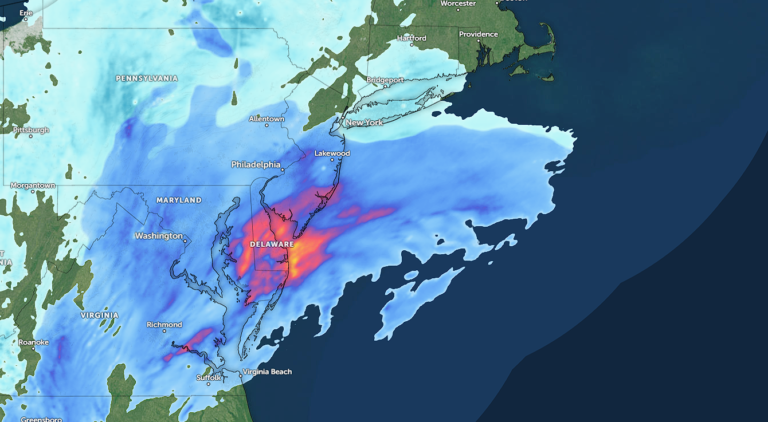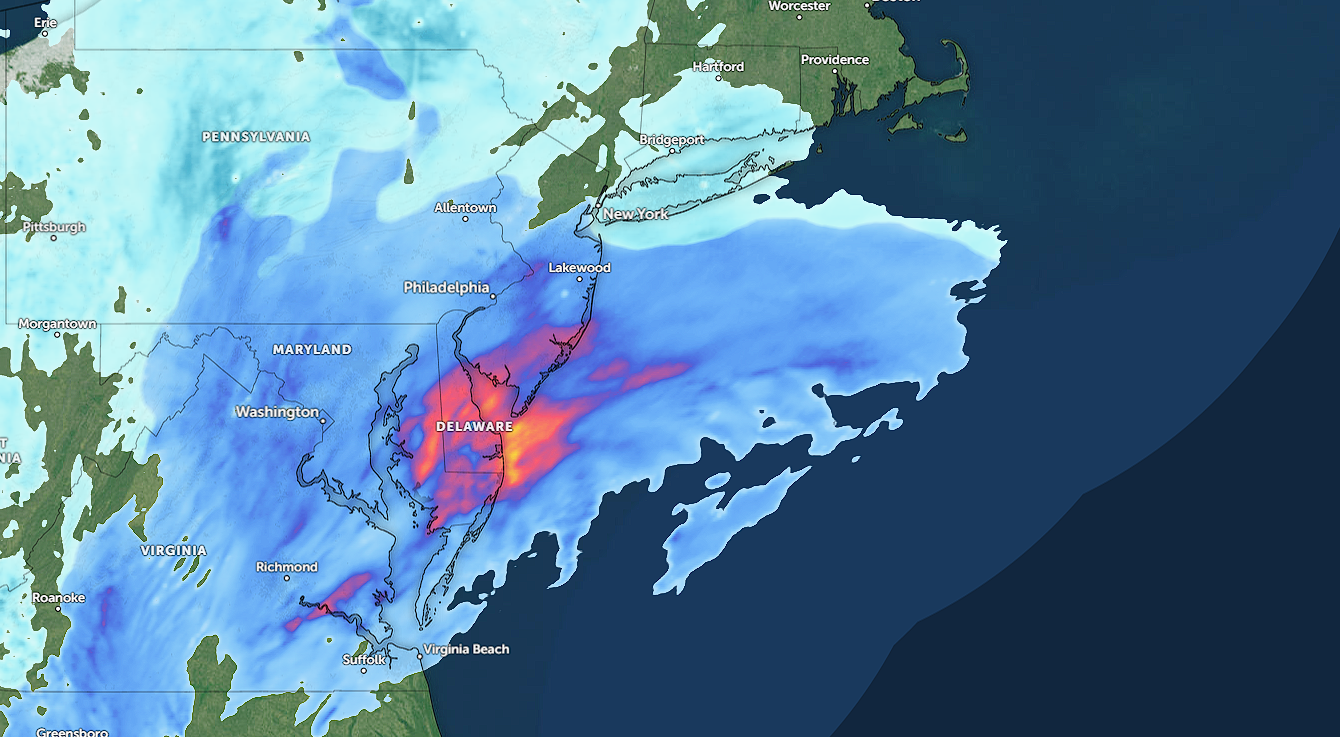
NEW YORK – The air transportation system in the U.S. has descended into a complete failure as Winter Storm Hernando, a historic “bomb cyclone,” hits the Northeast region with potentially life-threatening blizzard conditions. As of Sunday night, February 22, 2026, the industry has reached a disturbing threshold: over 10,000 flights have been cancelled over the Sunday through Tuesday period, leaving hundreds of thousands of passengers stranded in what is turning out to be one of the biggest disruptions in air travel in a decade.
A Coast Under Siege
The storm, which has grown with “explosive” intensity on Sunday, has brought the I-95 corridor to a grinding halt. The National Weather Service has issued official Blizzard Warnings from Maryland to Maine, predicting as much as two feet of snow and “thundersnow” that reduces visibility to near zero. With wind gusts howling at 70 mph, airport officials at JFK, LaGuardia, and Boston Logan have effectively shut down operations, reporting cancellation rates above 85%.
“We are facing conditions that simply make flight safety impossible,” said one high-ranking FAA official. “The presence of near-zero visibility and the intensity of snowfall rates means that even our most skilled de-icing and snow removal crews cannot keep the runways open.”
The Global Ripple Effect
The paralysis is not limited to domestic air travel. Global airlines such as Emirates, Air India, and Lufthansa have proactively removed long-haul flights to New York and Newark to avoid “frame trapping”—being stuck with multi-million dollar planes on the ground for days. Customers on these premium routes are being routed as far south as Atlanta and Charlotte, but even these airports are experiencing “cascading delays” as the national schedule collapses.
Shutdown Strains the System
Throwing yet another wrench into this unprecedented mess is the partial government shutdown. While the TSA initially announced a halt to “expedited” services, the agency clarified tonight that TSA PreCheck lines will remain open where staffing permits. However, with thousands of agents working without pay, the “human element” is falling apart.
“The shutdown has already pushed the system to its limit,” said an industry analyst. “When you add unpaid, skeleton crews to a historic blizzard, the recovery will not take days—but a week.”
The Long Road to Recovery
Airlines such as Delta, United, and JetBlue have issued broad travel waivers, permitting re-routing up to February 27. But with “load factors” already high for the time of year, seats on the recovery flights are in short supply. Passengers are being asked to avoid airports and handle their travel arrangements through mobile apps, as waiting times at the customer service desks in the terminals have climbed past six hours.
With the “bomb cyclone” still brewing its way northward, the word from the cockpit of the U.S. travel industry is unmistakable: the Northeast is a no-fly zone, and the real price tag for the paralysis of this weekend is only now beginning to be tallied.
About the Author